Mount Kilimanjaro
Mount Kilimanjaro – The Roof of Africa
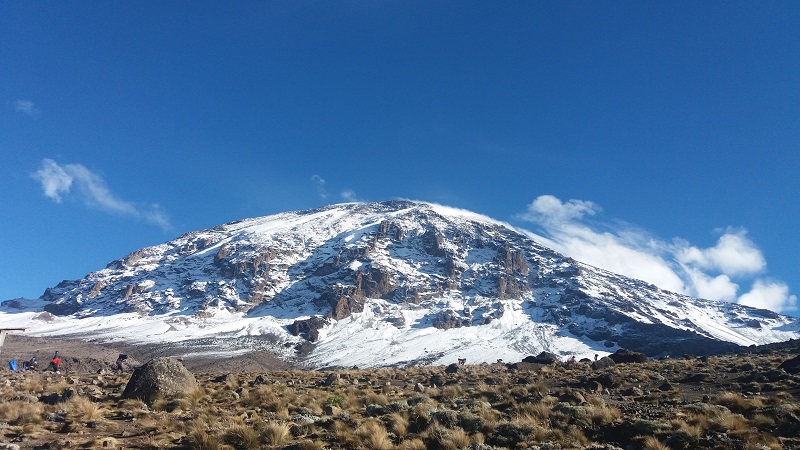
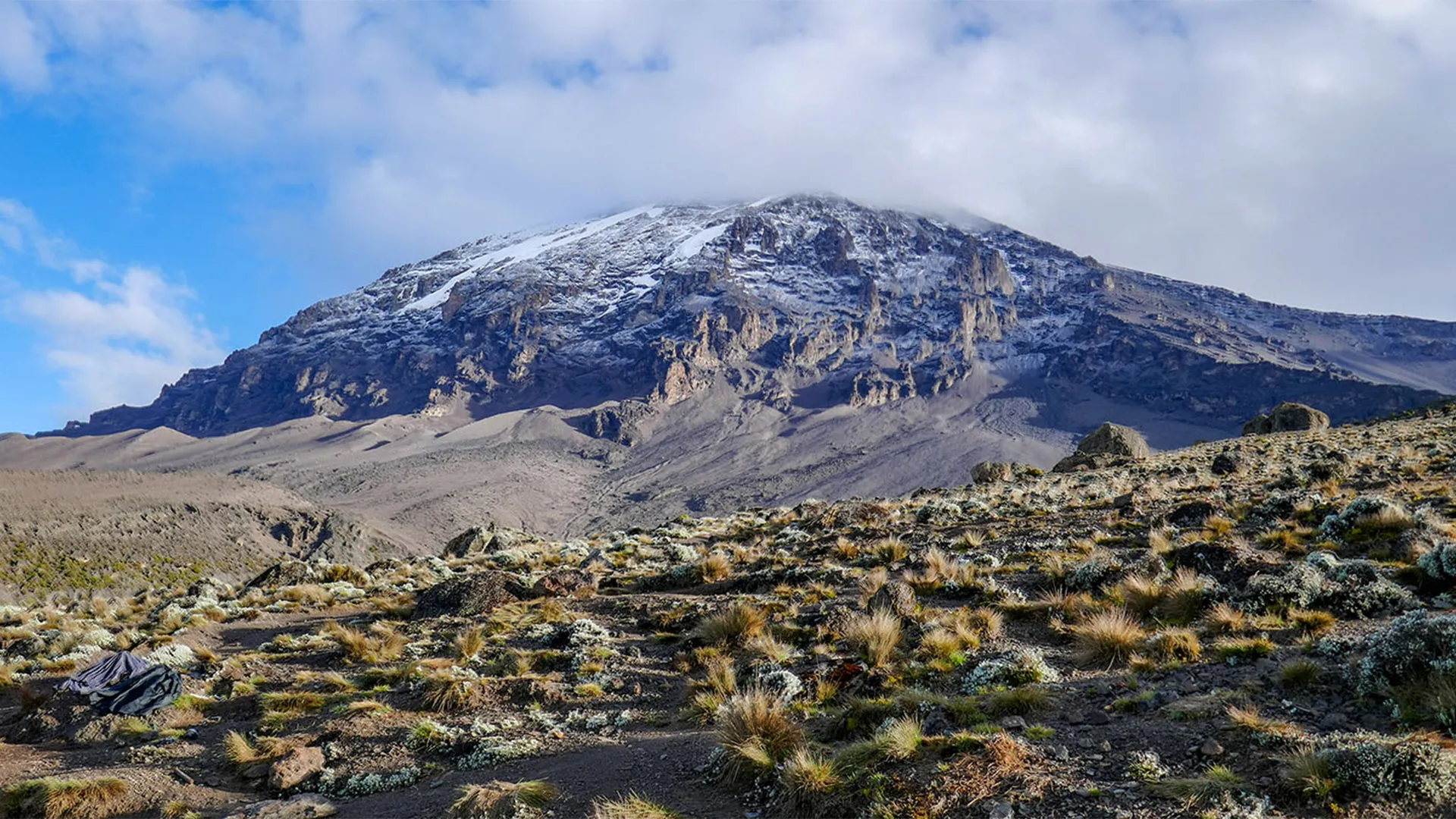
Tanzania is home to the legendary Mount Kilimanjaro (5,895 meters), famously known as the Roof of Africa. It is the highest mountain in Africa and the world’s highest free-standing mountain, rising majestically from the plains of northern Tanzania. Kilimanjaro is one of the most iconic natural landmarks on the continent and a dream destination for trekkers from around the world.
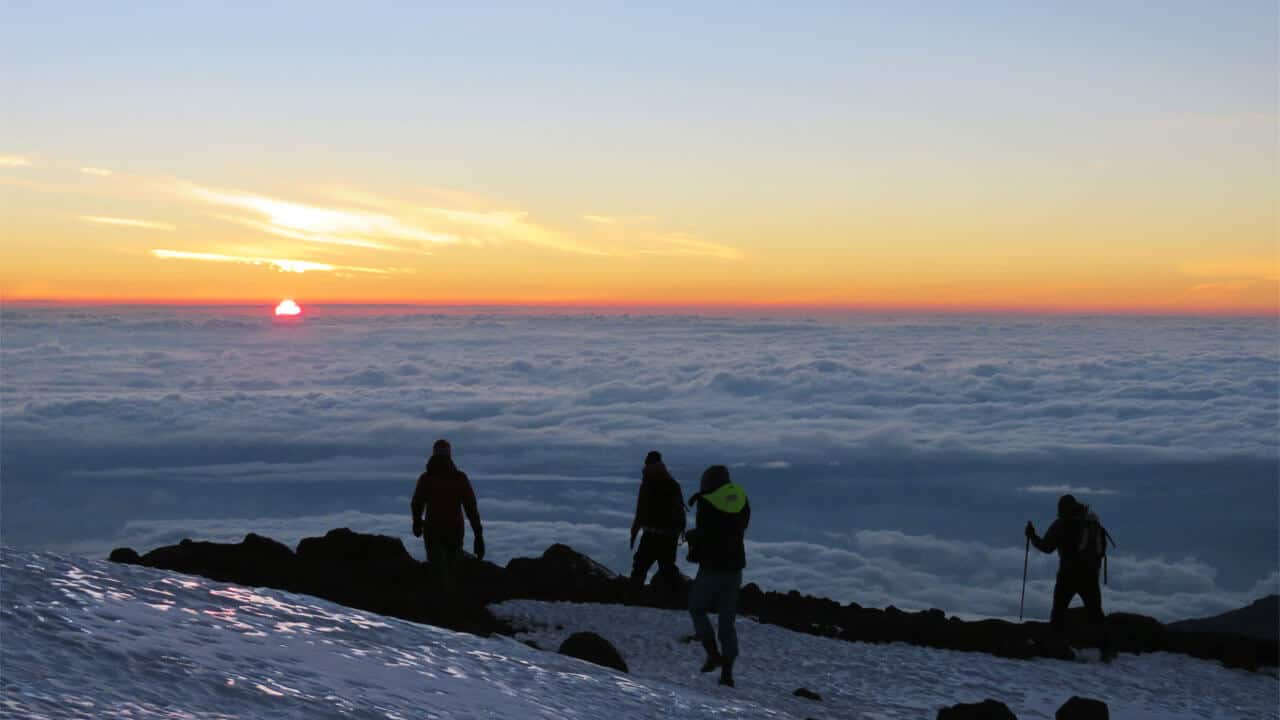
What makes Mount Kilimanjaro truly unique is that it is one of the most accessible high-altitude summits on Earth. Reaching Uhuru Peak, the highest point, does not require technical climbing skills or mountaineering experience. With proper clothing, a walking stick, good physical preparation, and strong determination, adventurous travelers can successfully reach the summit.
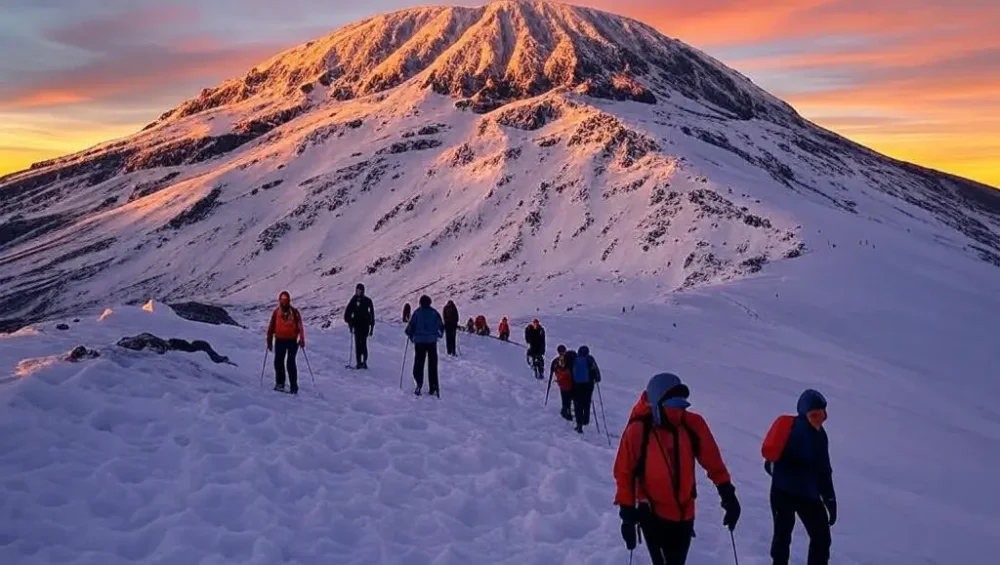
A Journey Through Five Climatic Zones
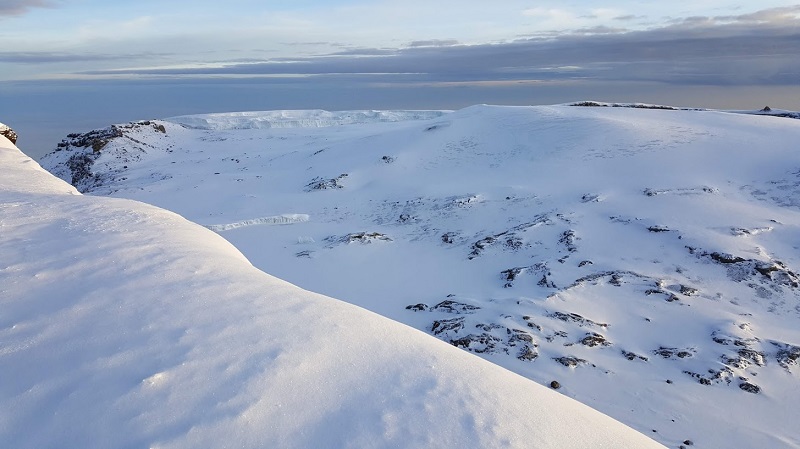
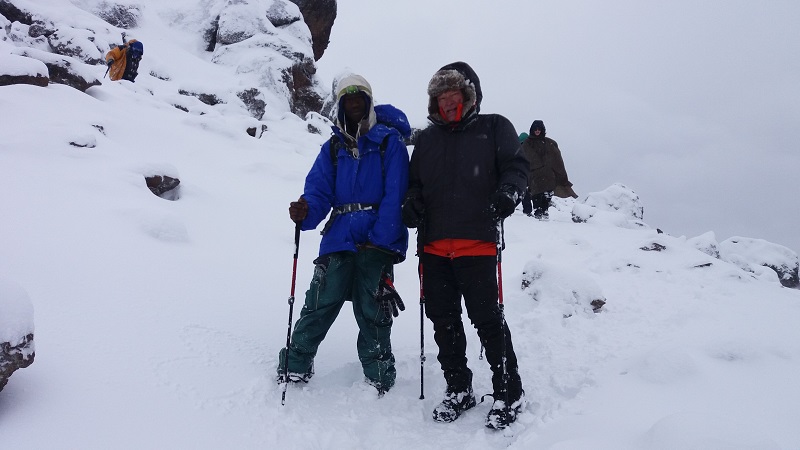
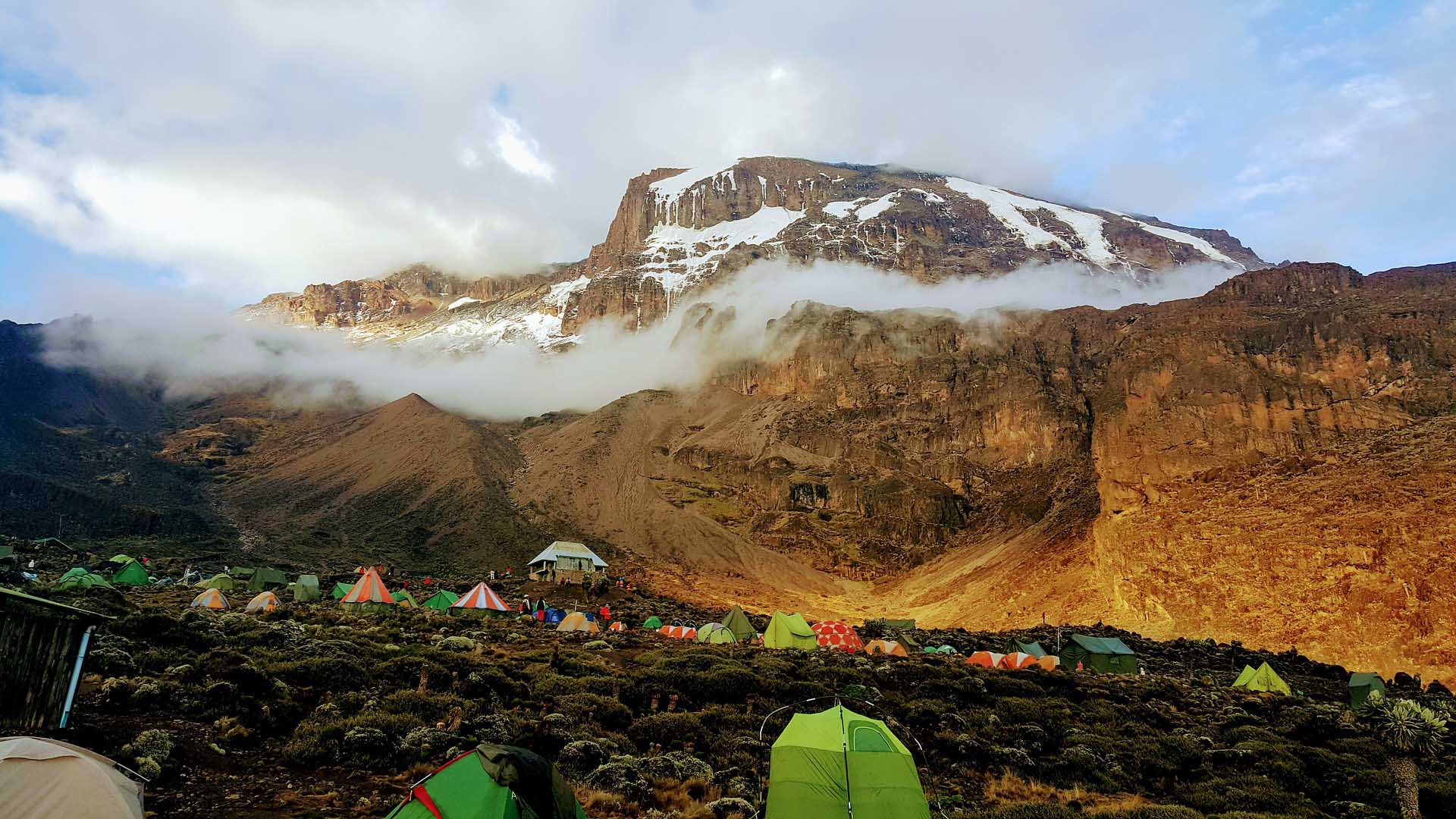
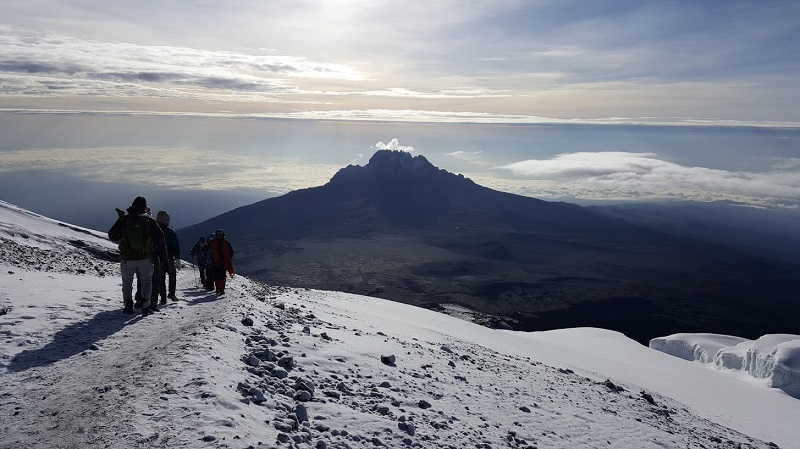
Trekking Mount Kilimanjaro feels like traveling through several worlds in a single journey. Climbers begin their adventure in a lush tropical rainforest, rich with wildlife and vegetation. As the ascent continues, the landscape transitions into heath and alpine moorland, followed by a dramatic alpine desert. The final push to the summit leads trekkers into an Arctic environment of snow, ice, and glaciers, despite being located just 3 degrees south of the Equator. This incredible diversity of scenery is unmatched anywhere else in the world.
Kilimanjaro Climbing Routes
Mount Kilimanjaro can be climbed via seven main routes, each offering a different experience, level of difficulty, and scenic beauty:
Northern Circuit Route
Umbwe Route
Lemosho Route
Rongai Route
Machame Route
Shira Route (via Londorosi Gate)
Marangu Route
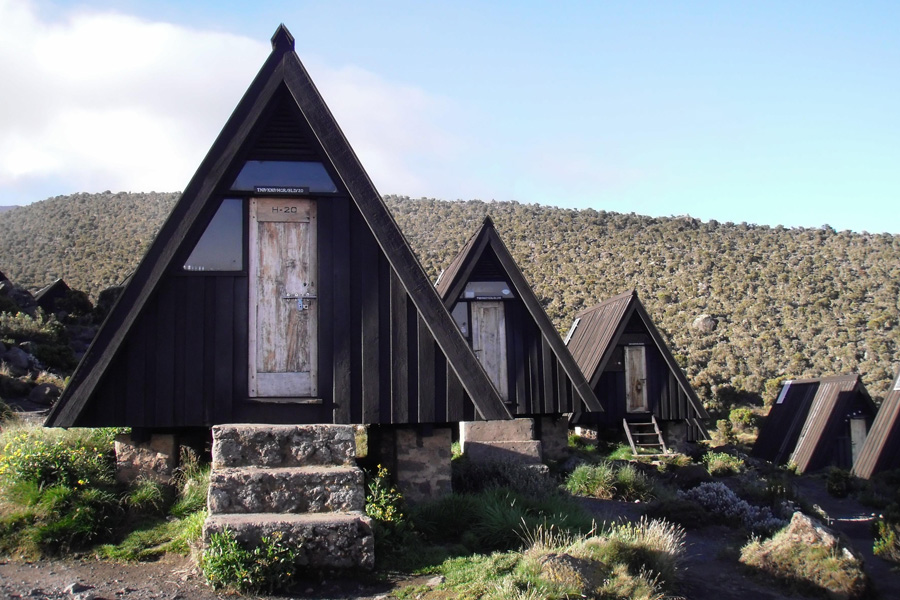
Among these, the Marangu Route is the most popular and considered the easiest route due to its gradual ascent and hut accommodation. In contrast, routes such as Machame, Lemosho, and Shira are camping routes, offering more scenic views and better acclimatization.
The Mweka Route is the most commonly used descent route, known for being short and fast, and is used by climbers coming down from several routes.
Duration and Accommodation
Climbing Mount Kilimanjaro typically takes a minimum of 5 nights and a maximum of 9 nights on the mountain. The duration depends on the chosen route, the fitness level of the climbers, and acclimatization needs. Spending more days on the mountain significantly increases summit success and overall enjoyment.
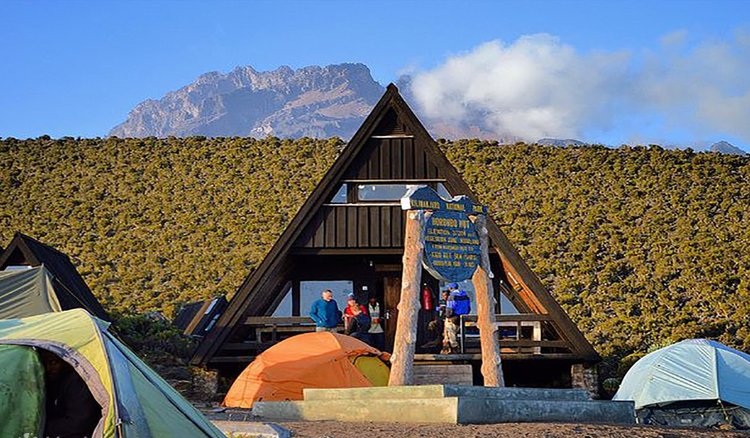
Marangu Route: Accommodation in alpine huts
Machame and other routes: Fully supported camping
No technical equipment is required on any of these standard routes, making Kilimanjaro an achievable challenge for many first-time high-altitude trekkers.
A Unique Adventure
Each Kilimanjaro route has its own character, difficulty level, and unique charm, allowing climbers to choose an experience that best matches their interests, fitness level, and sense of adventure. Climbing Mount Kilimanjaro is not just a trek—it is a once-in-a-lifetime journey that combines adventure, natural beauty, and personal achievement.
Mount Kilimanjaro Sicknes Altitude
The pressure of the air that surrounds you is called barometric pressure. When you go to higher altitudes, this pressure
drops and there is less oxygen available.
If you live in a place that’s located at a moderately high altitude, you get used to the air pressure. But if you travel
to a place at a higher altitude than you’re used to, your body will need time to adjust to the change in pressure.
Any time you go above 8,000 feet, you can be at risk for altitude sickness.
- Acute Mountain Sickness (AMS) is the mildest form and it’s very common. The symptoms can feel like a hangover – dizziness, headache, muscle aches, nausea.
- High Altitude Pulmonary Edema (HAPE) is a buildup of fluid in the lungs that can be very dangerous and even life threatening.
- High Altitude Pulmonary Edema (HAPE) is a buildup of fluid in the lungs that can be very dangerous and even life threatening.
You might have:Headache,Dizziness,Nausea,Vomiting,Fatigue and loss of energy,Shortness of breath,Problems with sleep,
Loss of appetite.
Symptoms usually come on within 12 to 24 hours of reaching a higher elevation and then get better
within a day or two as your body adjusts to the change in altitude.
If you have a more moderate case of altitude sickness, your symptoms might feel more intense and not improve with
over-the-counter medications. Instead of feeling better as time goes on, you’ll start to feel worse. You’ll have more
shortness of breath and fatigue. You may also have:
- Loss of coordination and trouble walking.
- A severe headache that doesn’t get better with medication.
- A tightening in your chest.
- Confusion
- Shortness of breath even at rest
- Inability to walk
- A cough that produces a white or pink frothy substance
- Coma.
Anyone can develop altitude sickness, no matter how fit, young, or healthy they are -- even Olympic athletes can get it.
In fact, being physically active at a high elevation makes you more likely to get it.
Your chance of getting altitude sickness depends on a few other things: how quickly you move to a higher elevation, how
high you go up, the altitude where you sleep, and other factors.
Your risk also depends on where you live and the altitude there, your age (young people are more likely to get it), and
whether you’ve had altitude sickness before
Having certain illnesses like diabetes or lung disease doesn’t automatically make you more likely to develop altitude
sickness. But your genes could play a role in your body’s ability to handle higher elevations.
If you get a headache and at least one other symptom associated with altitude sickness within a day or two of changing
your elevation, you might have altitude sickness. If your symptoms are more severe, you’ll need medical attention.
Your doctor might listen to your chest with a stethoscope or take an X-ray of your chest or an MRI or CT scan of your brain
to look for fluid.
Knowing the symptoms of altitude sickness will help you seek treatment early, while the condition is still mild. The most
important treatment for any level of altitude sickness is to go down to a lower elevation as soon as possible while
remaining safe.
If you have severe altitude sickness, you’ll need to be taken down to a lower elevation right away -- and it must be lower
than 4,000 feet. You’ll have to see a doctor as soon as possible and you may need to go to the hospital.
If you have HACE, you might need a steroid called dexamethasone. If you have HAPE, you will need supplemental oxygen and may
need medications, as well as moving to a lower altitude.
You’ll want to climb to higher altitudes gradually. Going slowly helps your lungs get more air through deeper breaths and allows more of your red blood cells to carry oxygen to different parts of your body.
Some of the basic guidelines for acclimatization are:
- Start your journey below 10,000 feet. If you have to fly or drive somewhere that’s higher up, stop at one destination that’s lower for at least a full day before going any higher.
- If you walk, hike, or climb over 10,000 feet, only go up an additional 1,000 feet per day. For every 3,000 feet you climb, rest at least a day at that height.
- “Climb high and sleep low”: If you have to climb over 1,000 feet in a day, make sure you come back down to a lower altitude to sleep.
- Drink 3-4 quarts of water every day and make sure about 70% of your calories are coming from carbs.
- Don’t use tobacco, alcohol, or other medications, such as sleeping pills.
- Know how to identify the first signs of altitude sickness. Immediately move to a lower elevation if you start to develop these symptoms.
Mount Kilimanjaro Trekking Equipments
HIRING EQUIPMENTS
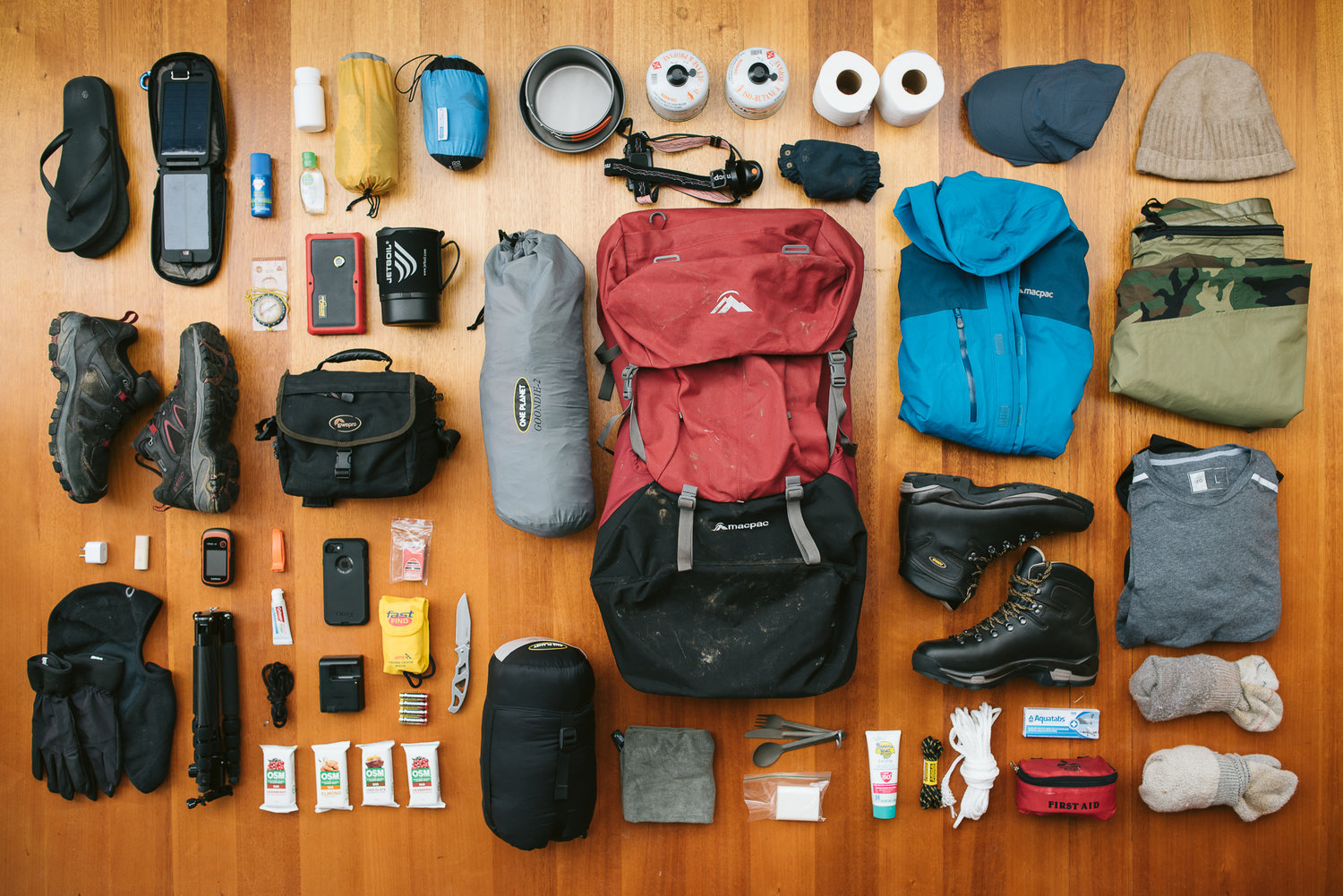
Most of kilimanjaro equipments you may hire but some is for your personal use(you must to buy it example:underwear), the picture above shows the equipments that you may hire and belows are the categories of equipments
Clothing
- Waterproof Jackets (rain jackets, hard shell jackets)
- Insulated Jackets (down jackets, synthetic jackets)
- Soft Jackets (fleece jackets, soft shell jackets)
- Hiking Shirts (short sleeve shirts, long sleeve shirts, hooded shirts)
- Hiking Pants (also hiking shorts, waterproof pants, fleece pants, underwear)
Headwear
- Hats (caps, sun hat, beanies, balaclavas, neck gaiters)
- Headlamp
- Face Masks (face coverings, surgical masks, N95 masks)
Handwear
- Gloves (liners, mittens)
Footwear
- Hiking Boots
- Hiking Shoes (trail shoes, trail runners, camp shoes)
- Hiking Socks (sock liners, toe socks)
- Gaiters
Accessories
- Sunglasses (sport sunglasses, glacier goggles, ski goggles)
- Water Bottles (Nalgene bottles, hydration bladders)
- Pee Bottle
Equipment
- Sleeping Bags (down bags, synthetic bags, camp pillow)
- Trekking Poles
- Duffel Bags (gear bags)
- Daypacks (backpacks)
Mount Kilimanjaro Trekking Routes
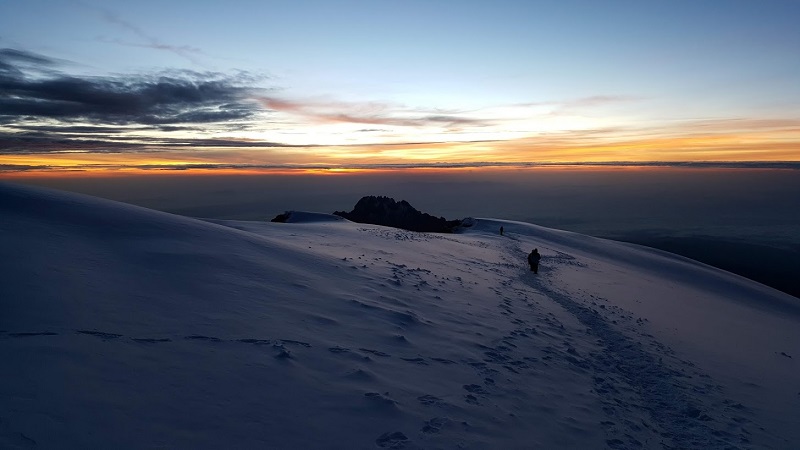
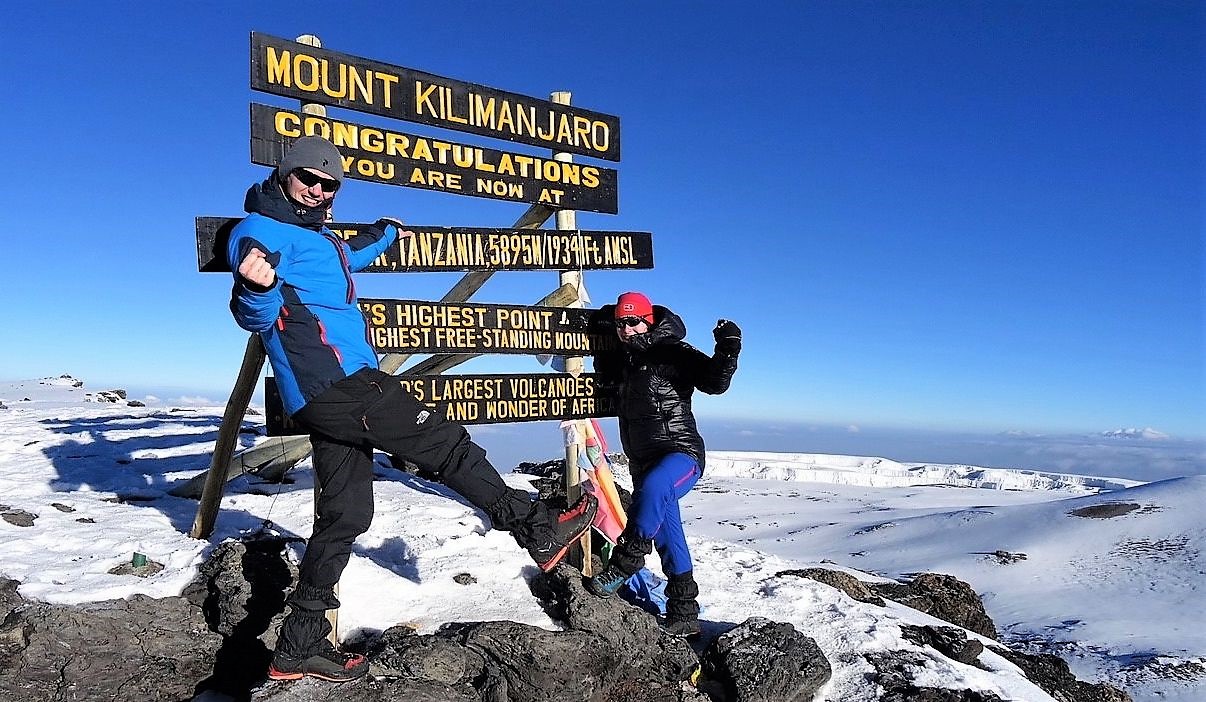
Mainly Kilimanjaro Trekking Routes Days
Our Partners





“UNFORGATTABLE AFRICA HOME OF BIG FIVE “ offers Tourists Luxurious Safaris to explore the world for the best of your Choices and preferences